Looking for a thermal scanner for water leakage? We offer advanced thermal water leak detection without wall breaking. Accurate & cost-effective inspection.
Introduction
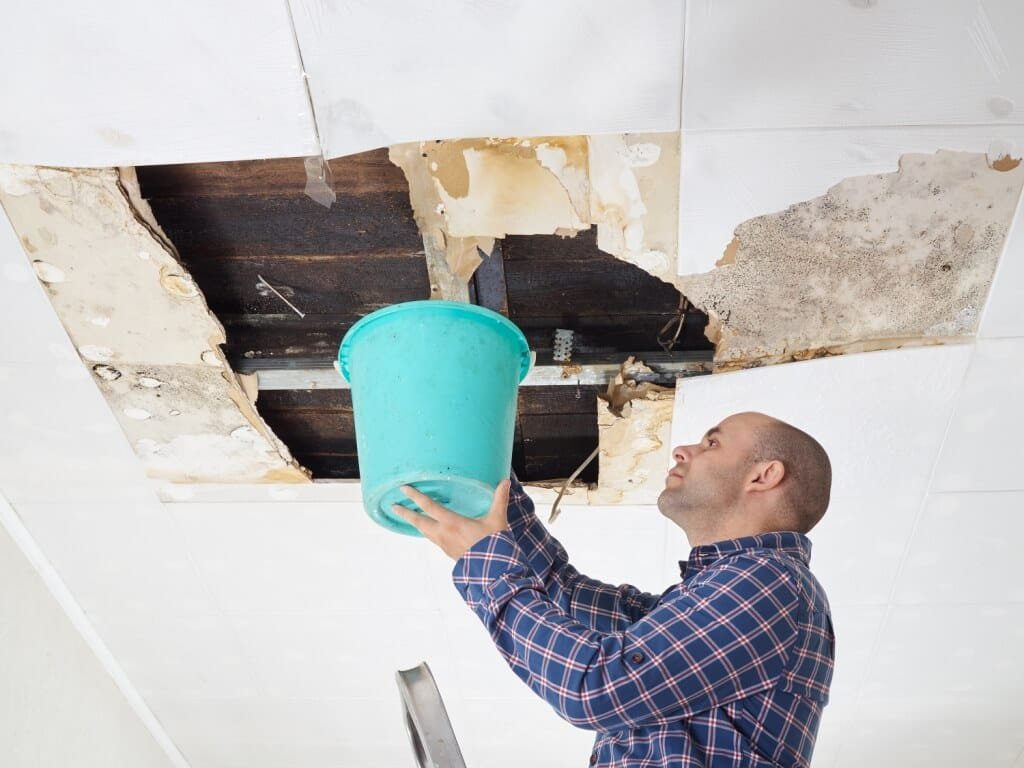
Hidden water leakage is one of the most serious problems in buildings. Leaks inside walls, floors, ceilings, and slabs often go unnoticed until they cause severe damage. A thermal scanner for water leakage is an advanced inspection tool that helps detect hidden leaks accurately without breaking walls or floors.
Thermal scanning technology is widely used in residential, commercial, and industrial buildings to locate moisture, seepage, and leakage sources quickly and safely.
What Is a Thermal Scanner for Water Leakage?
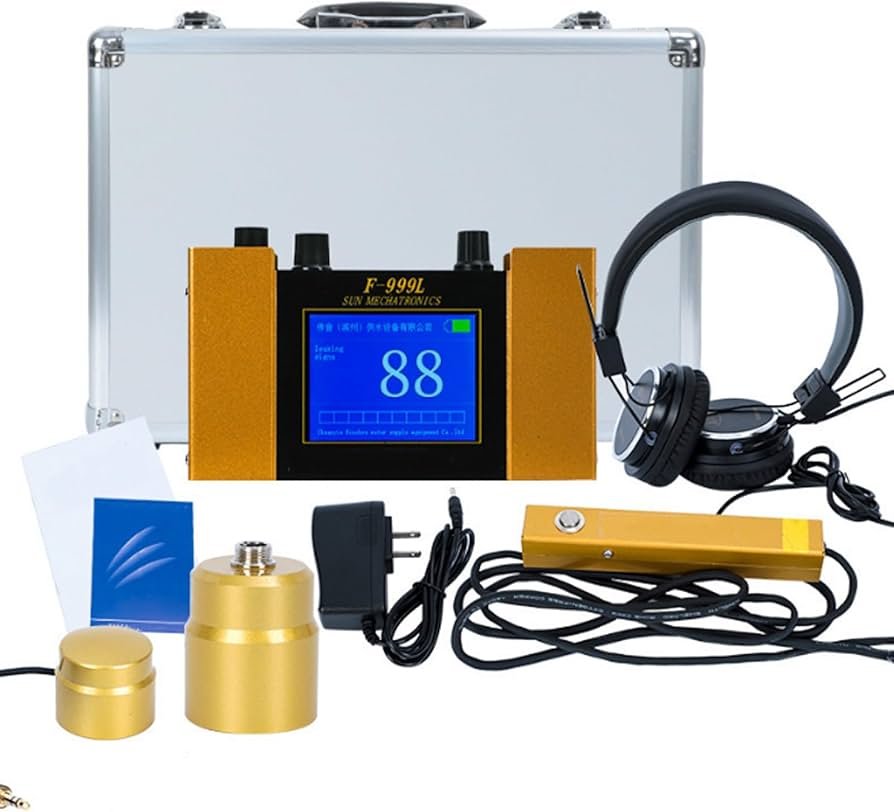
A thermal scanner for water leakage is an infrared imaging device that detects temperature differences on surfaces. Water leakage areas usually have different temperatures compared to dry areas due to moisture retention and evaporation.
The thermal scanner converts these temperature variations into visual color patterns, making hidden water leaks clearly visible during inspection.
How Thermal Scanner Detects Water Leakage
Thermal scanners work on infrared radiation technology. When water leaks behind walls or under floors:
-
Moist areas appear cooler or warmer than surrounding dry areas
-
The scanner highlights these differences using color contrast
-
Technicians analyze the thermal images to pinpoint leakage zones
This process is completely non-invasive and highly accurate.
Areas Where Thermal Scanner Is Used for Water Leakage
Thermal scanning is highly effective in detecting leakage in:
-
Bathroom and toilet areas
-
Roof slabs and terraces
-
Ceiling seepage
-
External and internal walls
-
Kitchen plumbing zones
-
Water tank leakage
-
Basement dampness
-
Concealed pipelines
Benefits of Using Thermal Scanner for Water Leakage
-
✅ No wall or floor breaking
-
✅ Fast and accurate leak detection
-
✅ Saves repair and restoration cost
-
✅ Identifies exact leakage source
-
✅ Prevents structural damage
-
✅ Ideal for occupied homes and offices
Thermal Scanner vs Traditional Leakage Detection Methods
| Traditional Method | Thermal Scanner |
|---|---|
| Random wall breaking | Non-destructive inspection |
| Guess-based approach | Technology-based detection |
| Time-consuming | Quick diagnosis |
| High repair cost | Cost-effective |
| Inaccurate results | High accuracy |
Common Signs That Require Thermal Water Leakage Inspection
You should consider a thermal scanner inspection if you notice:
-
Damp patches on walls or ceilings
-
Paint peeling or bubbling
-
Musty or foul smell
-
Mold or fungus growth
-
Ceiling discoloration
-
Repeated waterproofing failure
-
Unknown source of water seepage
Thermal Scanner for Bathroom Water Leakage
Bathrooms are the most common areas for hidden water leakage. Thermal scanners can easily identify:
-
Leakage from concealed pipelines
-
Seepage from tile joints
-
Waterproofing failure under tiles
-
Moisture spread behind walls
Thermal scanning helps avoid unnecessary tile removal and reduces repair costs.
Thermal Scanner for Roof and Terrace Leakage
Roof and terrace leaks are difficult to trace due to large surface areas. Thermal scanners help locate:
-
Waterproofing failure zones
-
Water accumulation points
-
Hairline cracks in slabs
-
Thermal moisture patterns
This allows targeted waterproofing instead of full-area treatment.
Is Thermal Scanner Safe?
Yes. Thermal scanners are completely safe and do not emit harmful radiation. They only capture naturally emitted infrared heat from surfaces.
Why Choose Professional Thermal Scanning for Water Leakage?
Professional technicians combine thermal scanning with:
-
Moisture meter testing
-
Visual inspection
-
Plumbing pressure testing (if required)
This ensures accurate diagnosis and permanent solution planning.
Conclusion
A thermal scanner for water leakage is the most reliable and modern solution to identify hidden water leaks without damaging your property. It helps save time, money, and prevents serious structural issues.
If you are facing seepage, dampness, or unexplained water damage, thermal scanning inspection should always be the first step before any repair or waterproofing work.